

Lymphatic Massage After Surgery: Why Your Body Needs It to Heal
TLDR;
If you've recently had surgery — a tummy tuck, hysterectomy, C-section, or cosmetic procedure — your body is working hard to heal. The swelling, bruising, and that heavy, puffy feeling aren't just uncomfortable. They're signs your lymphatic system is under strain. Lymphatic massage after surgery helps your body drain excess fluid, reduce inflammation, and recover faster. At UpLift in San Antonio, our physical therapists specialize in manual lymphatic drainage as part of a full pelvic floor therapy and recovery approach — and we'll guide your recovery safely from day one.
Understanding Lymphatic Massage After Surgery: What It Is and Why It Works
What is the lymphatic system?
The lymphatic system is a network of vessels, nodes, and organs that works alongside your circulatory system. It plays a vital role in your immune health and overall wellbeing — filtering waste, fighting infection, and regulating fluid balance throughout your body. Think of it as your body’s built-in drainage and defense system.
According to the National Cancer Institute, the lymphatic system is a critical part of the body’s immune response and fluid regulation network.
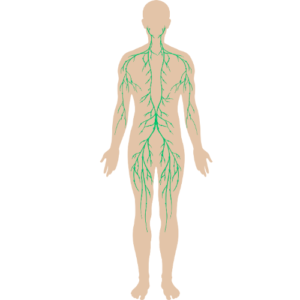
The lymphatic system functions to:
- Regulate fluid balance
- Support immune defense
- Recycle important cellular materials
- Filter waste and optimize tissue health
Why is lymphatic massage essential after surgery?
Injury, surgery, or changes in bodily fluid flow can cause the body to work harder, operate less efficiently, or struggle to maintain its usual demands.
Imagine this analogy: the lymphatic system working as delivery workers during holidays with a shortage of employees. We would all have late packages and delayed outgoing mail.

This is true for your lymphatic system after surgery: it has been cut through and is viciously trying to heal itself as quickly as possible with a temporarily inefficient network.
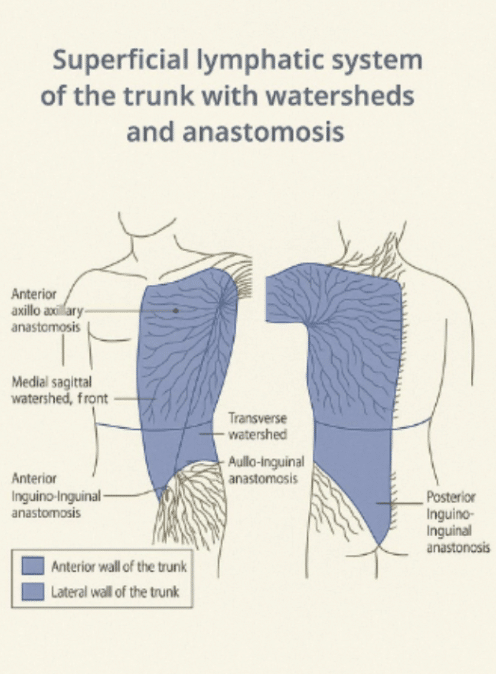
There are multiple ways to assist your recovery after surgery, but one specific way is utilizing lymphatic massage.
Your body needs a lymphatic massage after surgery to:
- Reduce swelling
- Heal bruising
- Accelerate tissue healing
- Stimulate a faster immune response
- Minimize scar formation and fibrosis (thickening of tissues)
- Improve mobility
- Enhance comfort
What is Lymphatic Massage?
Lymphatic massage, also known as manual lymphatic drainage, is a hands-on approach that uses light, gentle, rhythmic touch in specific directions to drain lymphatic fluid.
This differs from traditional massage as it requires understanding the lymphatic anatomy to help stimulate the intricate lymphatic network and does not require deep tissue pressure.
What Happens to the Lymphatic System after Surgery?
After surgery, there is inflammation, a normal process of healing. With all this inflammation comes an increase in swelling and fluid retention to help manage the surgical site.
Normally, the lymphatic system works on its own to manage extra fluid and support healing throughout the body. However, tissues can become inflamed, slow to respond, or restricted for some people—especially those who have had several surgeries in the same area or tend to heal slowly. This can affect how well the lymphatic system works and slow down recovery.
When the lymphatic system is interrupted or delayed, lymph fluid can get trapped, especially if scar tissue forms and blocks proper drainage. This can lead to feelings of stiffness or heaviness in the body. In addition, the system has to work harder to remove toxins and waste, making you feel sore, sluggish, or puffy.
Common post-surgery symptoms will include the following:
- Bruises or discoloration
- Pain, soreness, or tenderness
- Feeling puffy, sluggish, or swollen
- Scarring and tightening of skin
- Decrease or limited mobility
Key Benefits of Lymphatic Massage After Surgery
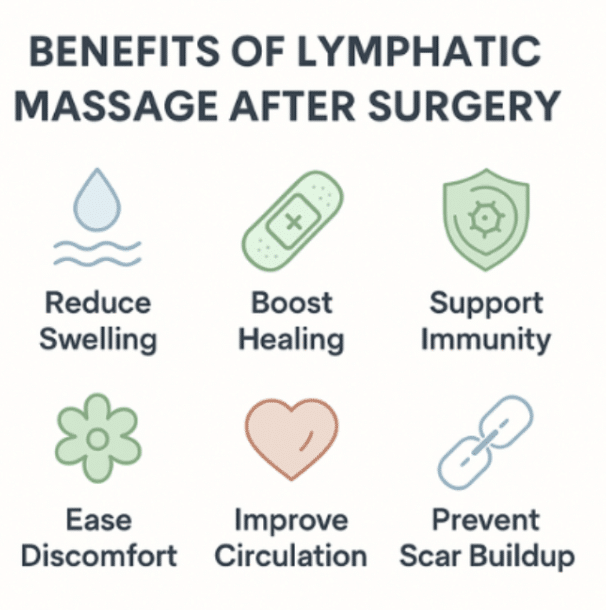
The goals of lymphatic massage or manual lymphatic drainage are to:
- Reduce swelling – Lymphatic drainage helps move extra fluid out of the tissues, lowering puffiness or swelling, especially after surgery or injury.
- Speed up healing – By boosting lymph flow, your body can remove waste and bring in nutrients more efficiently, helping you recover faster.
- Support your immune system – The lymphatic system is part of your body’s natural defense system, and stimulating it can help your body fight infections and stay healthy.
- Ease pain & discomfort – Swelling often causes stiffness or soreness. This gentle lymphatic massage reduces these symptoms, making you feel more comfortable after surgery.
- Improve circulation without strain – The lymphatic system works closely with the circulatory system to keep blood and lymph moving through the body. This is especially important after surgery when you’re not as active. The gentle movement of lymph helps support healing without putting extra strain on your body.
- Prevent scar tissue buildup – Early lymphatic massage can reduce the risk of tight scars or lumpy skin areas that may result after surgery.
Types of Surgeries That Benefit Most From Lymphatic Massage
Lymphatic massages, also called manual lymphatic drainage, can be helpful after many surgeries. This includes cosmetic or reconstructive surgeries, orthopedic surgeries, hysterectomies, and even after childbirth, whether by cesarean or vaginal delivery.
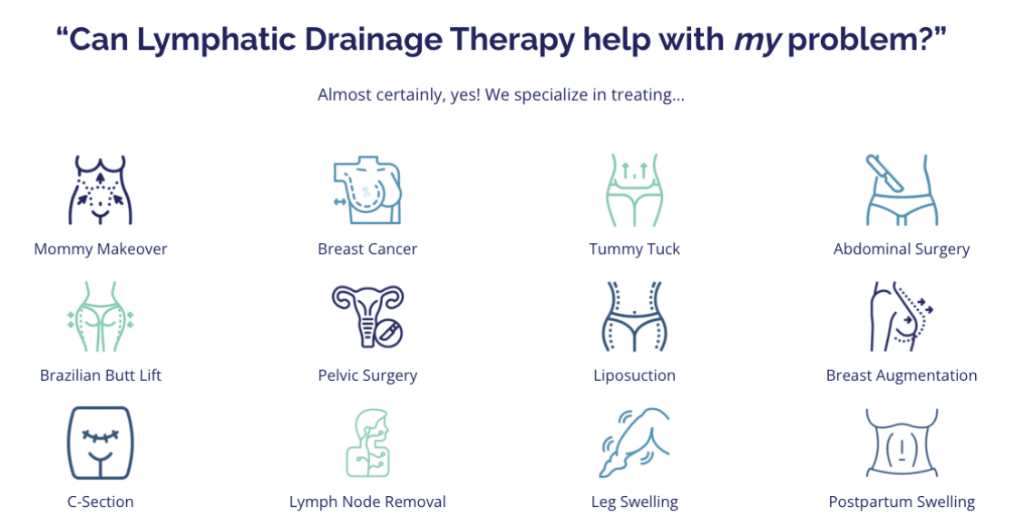
At UpLift, we commonly see patients recovering from hysterectomies, C-sections, tummy tucks, and prolapse repairs — all surgeries where lymphatic drainage plays a key role in reducing swelling, preventing scar tissue buildup, and getting you back to feeling like yourself.
If you’re unsure whether lymphatic massage is right for your specific procedure, our San Antonio physical therapists can help you figure out the best path forward.
What Does the Pelvic Floor Do?
Your pelvic floor muscles do a lot of behind-the-scenes work to keep you feeling great, such as:
- Control bladder and bowel function
- Support your organs
- Stabilize your core and spine
- Play a role in sexual function
- Pumps waste products out of the area
In addition to these key functions, your pelvic floor helps maintain proper posture and balance by working in sync with your deep core muscles. It constantly adapts to the demands of your body, whether you’re lifting, laughing, or simply sitting, ensuring everything stays in check and works as it should.
When to Start Lymphatic Massage Post-Surgery
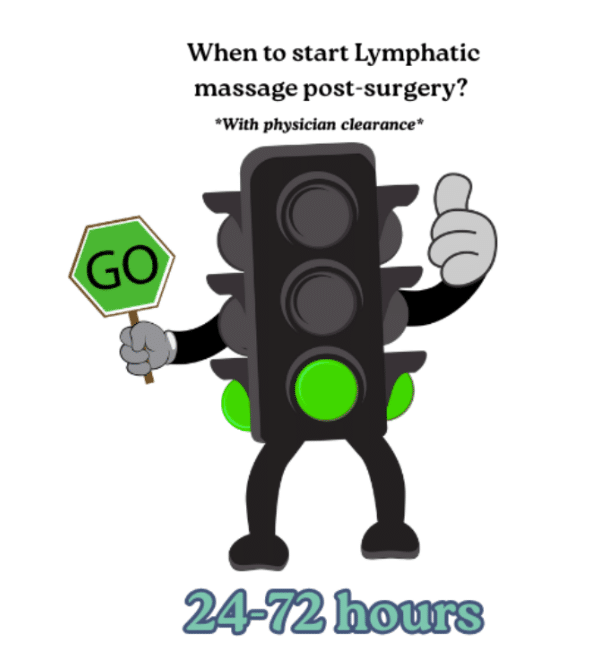
Our top priority is helping you heal as well as possible. If you want to get a lymphatic massage or manual lymphatic drainage, always talk with your surgeon before booking your first appointment. Usually, you can start lymphatic drainage 24 to 72 hours after surgery with physician clearance.
What to Expect During A Session
During your first lymphatic massage session, your physical therapist will start with an evaluation. They’ll ask about your surgery, any symptoms you’re experiencing, and how those symptoms affect your daily activities. If you have any post-surgery limitations or restrictions, you’ll talk about them with your therapist to ensure the massage and other movements are safe for you.
Next, your therapist will assess your healing progress. They’ll look at surgical scars, areas of swelling, and how these issues may affect your mobility. After that, you’ll receive the lymphatic massage for the rest of the session. You’ll lie down respecting your restrictions, and your body will be draped appropriately based on your surgery site. To reduce the risk of infection, your therapist will follow proper hand hygiene before starting the massage. The massage itself is gentle and relaxing, designed to stimulate your lymphatic system and help your body heal.
After the session, it’s important to stay hydrated. Your body needs water to help move lymphatic fluid. You may also notice an increase in how often you urinate over the next day or two. Most clients notice a reduction in swelling and an improvement in comfort within 1-3 sessions. Consistent treatments and compression use lead to optimal results, especially when combined with post-surgical care instructions.
FAQs:
Why would I choose to work with a physical therapist versus a massage therapist?
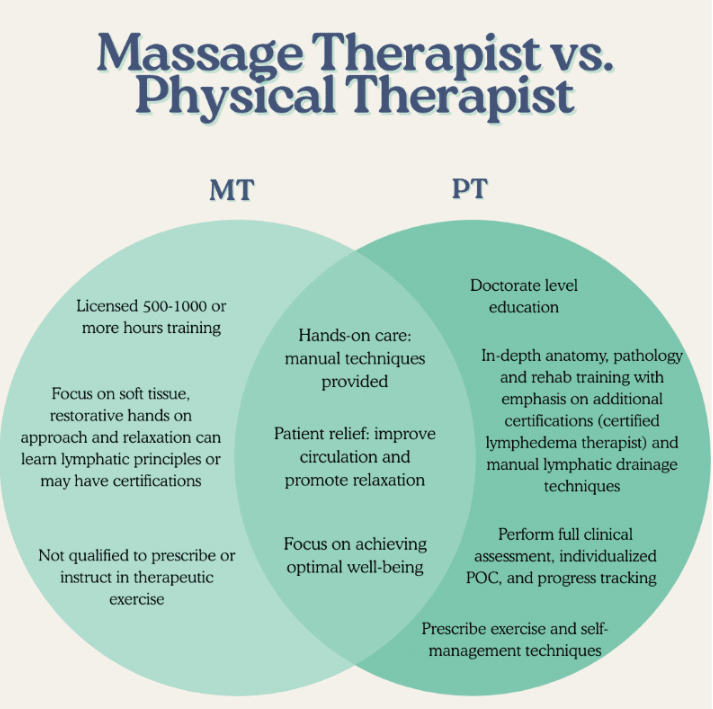
Not all massage therapists have advanced training in lymphatic massage. Some may know basic lymphatic techniques but not be trained in detailed lymphatic drainage. This can lead to longer sessions that may not be as effective. It’s important to work with someone who has proper training and experience.
Physical therapists offer more than just massage. Through lymphatic drainage physical therapy, they provide a complete evaluation of your movement and recovery needs. With a doctoral-level education, they are specially trained in managing wounds, incisions, and the healing process after surgery.
Physical therapists focus on your safety, especially regarding reducing the risk of infection and helping tissues heal properly. But their role goes beyond healing—they’re here to help you feel stronger, move better, and regain confidence in your body.
Many clients want to return to movement and exercise after their surgery but don’t know where to start. They might fear doing too much, making mistakes, or hurting themselves. That fear often leads to doing nothing at all. Working with a physical therapist takes away the guesswork. They guide you through safe and effective movement that fits your recovery stage.
Optimizing movement and healing is extremely important for your recovery, so book your appointment with a physical therapist today.
Can I do a lymphatic massage on myself?
The short answer is Yes — it can help and may be useful for long-term care!
The longer answer is that the best results happen when your body is completely relaxed during the massage. That’s why it’s most effective when a trained professional performs the technique for you. They know how to apply the proper pressure and follow the correct pathways, ensuring the drainage works as well as possible.
Essential Part of Recovery
Adding a lymphatic massage to your recovery plan is essential after surgery. Your body has a limited window of time where healing happens most quickly, and a lymphatic massage can help you make the most of it.
Lymphatic massage can help:
- Reduce swelling and support faster healing
- Make it easier and more comfortable to move
- Get you back to your normal activities and exercise sooner
If you want to take control of your recovery and feel your best, our San Antonio physical therapy team at UpLift is here to support you every step of the way.
For more information on our lymphatic services or other blogs, see the links below: